
1. The Two Opposing Philosophies of Skin Retouching
Every skin retouching workflow in modern digital photography falls into one of two categories: spatial filtering (Frequency Separation) or luminance mapping (Dodge & Burn).
While both techniques aim to balance blemishes, tonal discrepancies, and skin irregularities, their impact on the integrity of the photographic capture could not be more divergent.
2. The Technical Flaws of Frequency Separation
Frequency Separation works by mathematically decomposing an image into two distinct frequency layers: a High-Frequency layer (containing fine details like pores and hair) and a Low-Frequency layer (containing color, tone, and broad volume).
The fundamental flaw occurs on the low-frequency layer. To smooth skin patches, editors paint with the mixer brush or apply Gaussian blur. In doing so, they eliminate the natural micro-contrast that defines realistic subcutaneous light scatter.
Furthermore, because the high-frequency layer simply floats on top of the blurred color layer, pores end up looking detached—like a stamped synthetic sand paper texture glued over waxy mannequins. In print and high-DPI displays, this manifests as muddy, lifeless skin devoid of organic luminosity.
3. The Mechanics of True Dodge & Burn
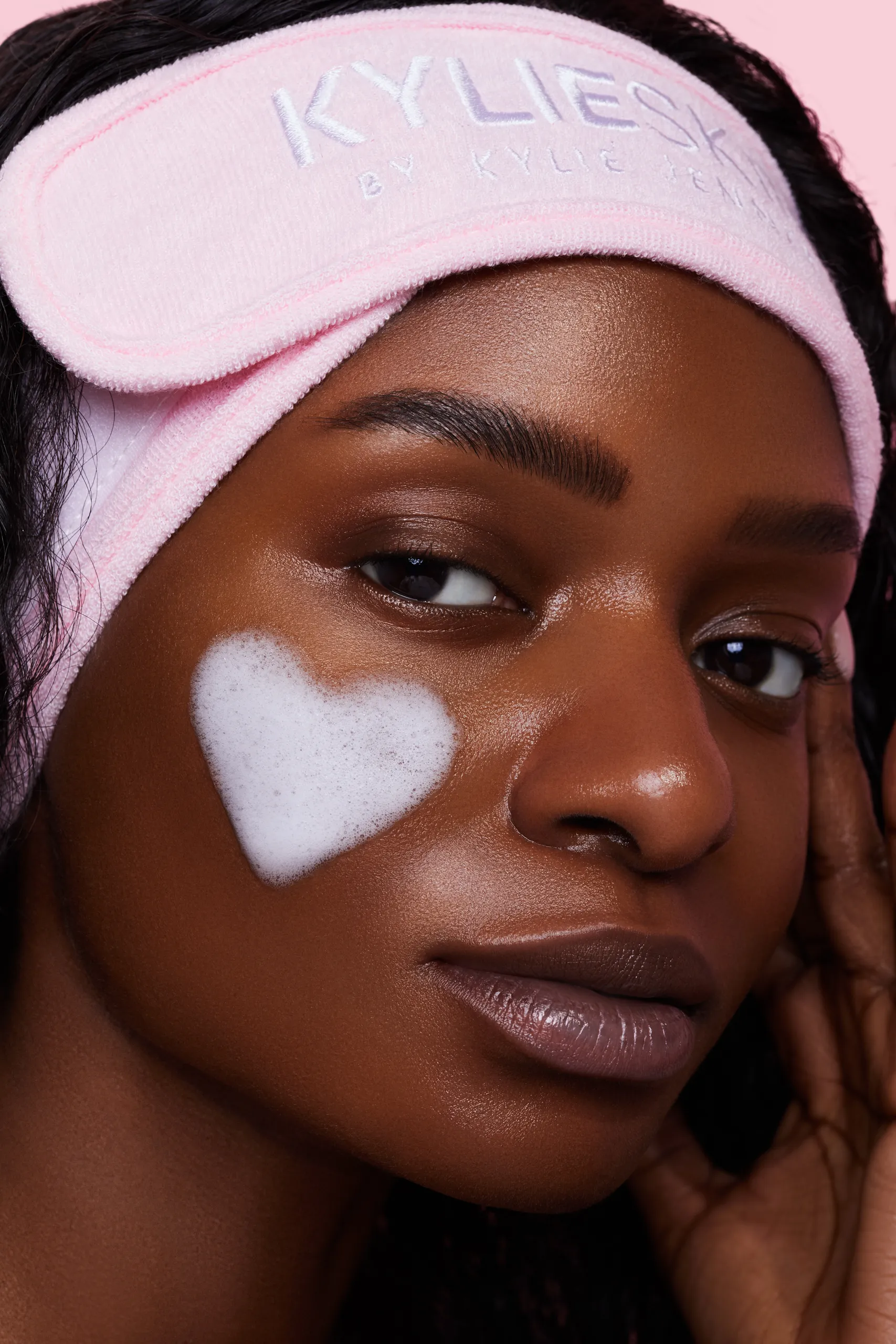
Dodge & Burn is a non-destructive technique with direct lineage to traditional darkroom printmaking. Rather than blurring or displacing pixels, the retoucher uses micro-fine 1% to 2% exposure curves to lighten (dodge) tiny shadow valleys and darken (burn) micro-highlights within the skin.
By equalizing skin luminosity pore-by-pore without altering the original camera sensor data, the skin’s epidermal cellular relief remains 100% authentic and razor-sharp.
The subject retains their exact biological texture, natural skin sheen, and anatomical dimensionality. It requires patience—often between 60 and 120 minutes per beauty portrait—but the visual result is indistinguishable from flawless, unretouched real skin under perfect lighting.
4. Why Editorial Magazine Art Directors Reject "Plastic Skin"
Leading publications such as Vogue, Harper’s Bazaar, and Elle enforce strict visual guidelines. Photo editors inspect submissions at 100% and 200% magnification on calibrated EIZO ColorEdge monitors.
Submissions that exhibit blurred tonal steps or telltale frequency separation halos around the nose, cheekbones, and collarbones are immediately disqualified. Elite commercial brands demand high-resolution fidelity where individual pores look hydrated and three-dimensional, not airbrushed.
5. How to Spot Destructive Retouching on 4K Monitors
To test whether your current retouching partner is cutting corners with destructive blurring, zoom into the transition line where light falls across the cheekbone onto the shadow of the jaw.
If the pore structure suddenly disappears into a smooth gradient or appears gray and desaturated, frequency separation was used. In genuine Dodge & Burn, you will see unbroken, authentic pore architecture with preserved color gamut right through the deep shadow transitions.

Ready for Uncompromising Editorial Quality?
Hand retouching with real skin texture and revisions included. Starting at $40 or $50 per photo, with commercial and jewelry projects quoted within 12 hours.