1. The Three Layers of Human Skin Color
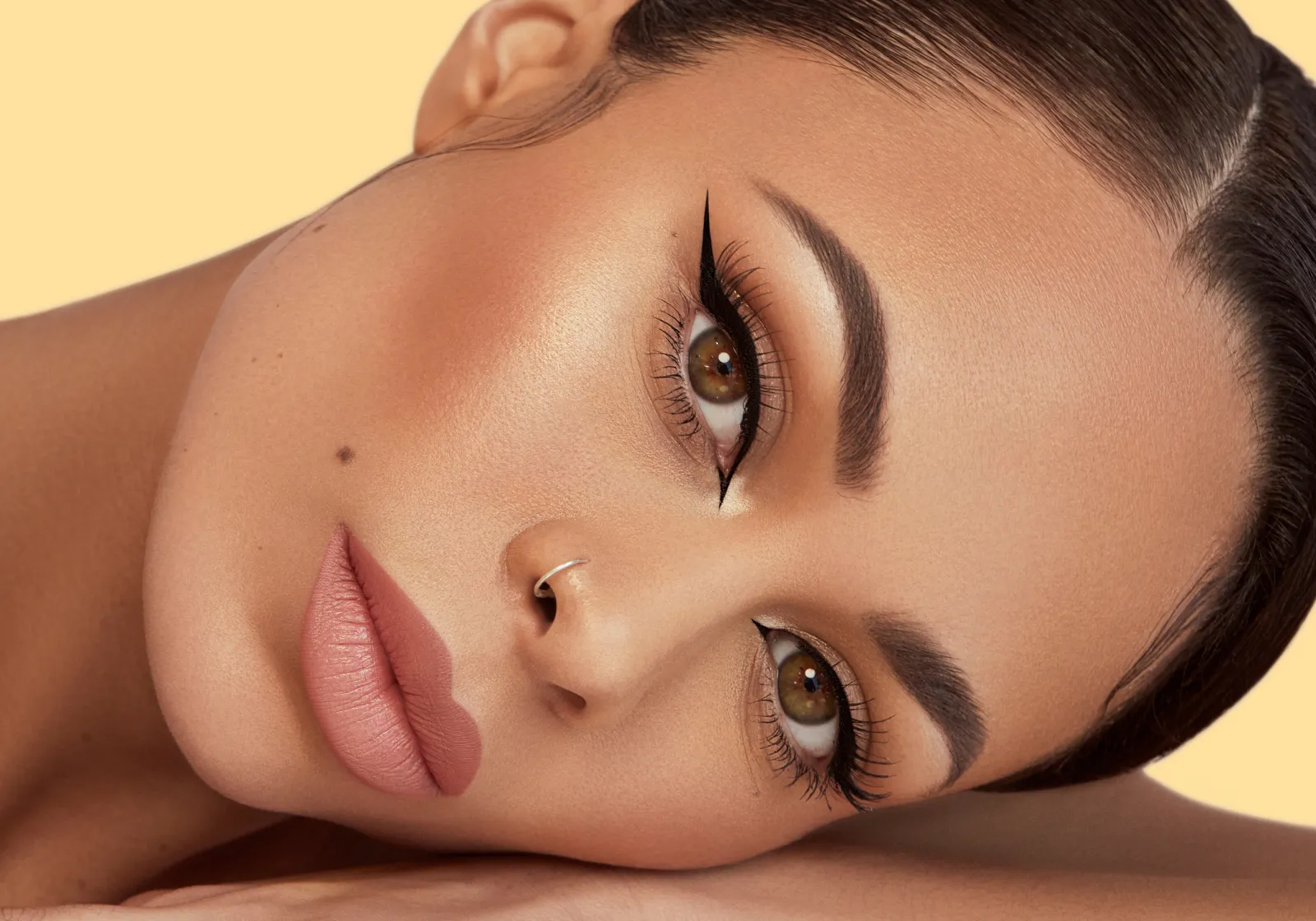
Real human skin is not a flat paint color; it is a translucent living organ. Light penetrates the epidermis, interacts with melanin, bounces through red oxygenated hemoglobin capillaries, and scatters outwards (subsurface scattering).
Different facial zones naturally exhibit distinct color temperatures: the forehead is warm and golden; the midface (cheeks, nose) runs warmer and redder due to blood supply; the lower jaw and chin lean cooler or olive.
2. Why Studio Strobes and Ambient Light Clash on Skin
When shooting on location with mixed tungsten ambient light, aged softbox diffusers, or colored bounce walls, skin absorbs chaotic tinting: green casts under the jaw, magenta flares on the forehead, and flushed red ears from backlight spill.
3. The CMYK "Skin Tone Line" Truth Test
In prepress color science, proper skin tone obeys a mathematical rule regardless of ethnicity: Yellow is always greater than or equal to Magenta, and Cyan is roughly one-third to one-fifth of Magenta. When Cyan exceeds Magenta, skin looks muddy and necrotic; when Magenta exceeds Yellow, skin appears sunburned.
4. Non-Destructive Color Harmonization with Curves & Hue Blending
We use targeted Selective Color and Hue/Saturation adjustment layers with restricted sample ranges, blended in Color mode. This evens out foundation mismatches between the model’s neck and face without flattening natural vitality.
5. Respecting Tonal Gamuts Across All Fitzpatrick Skin Types
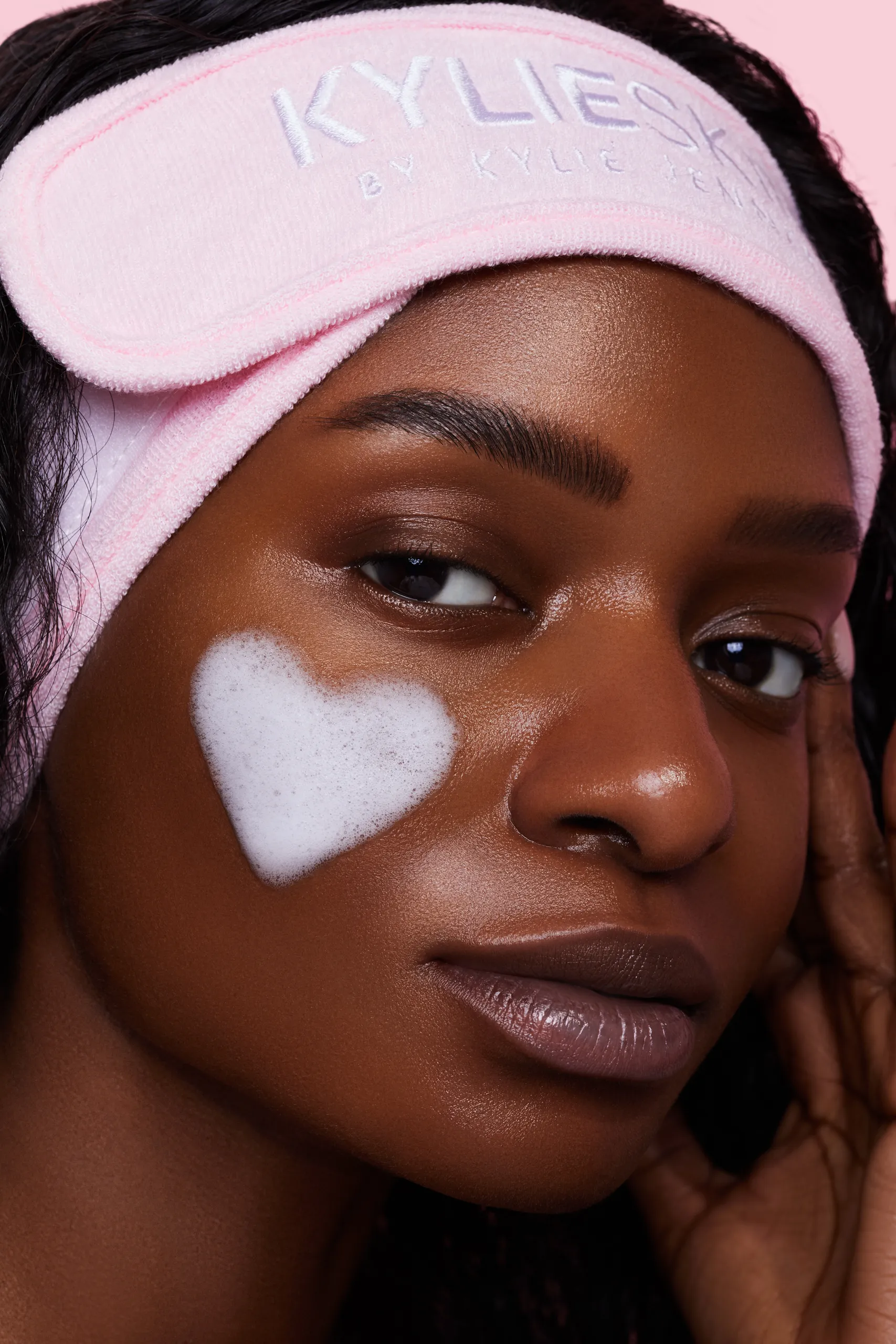
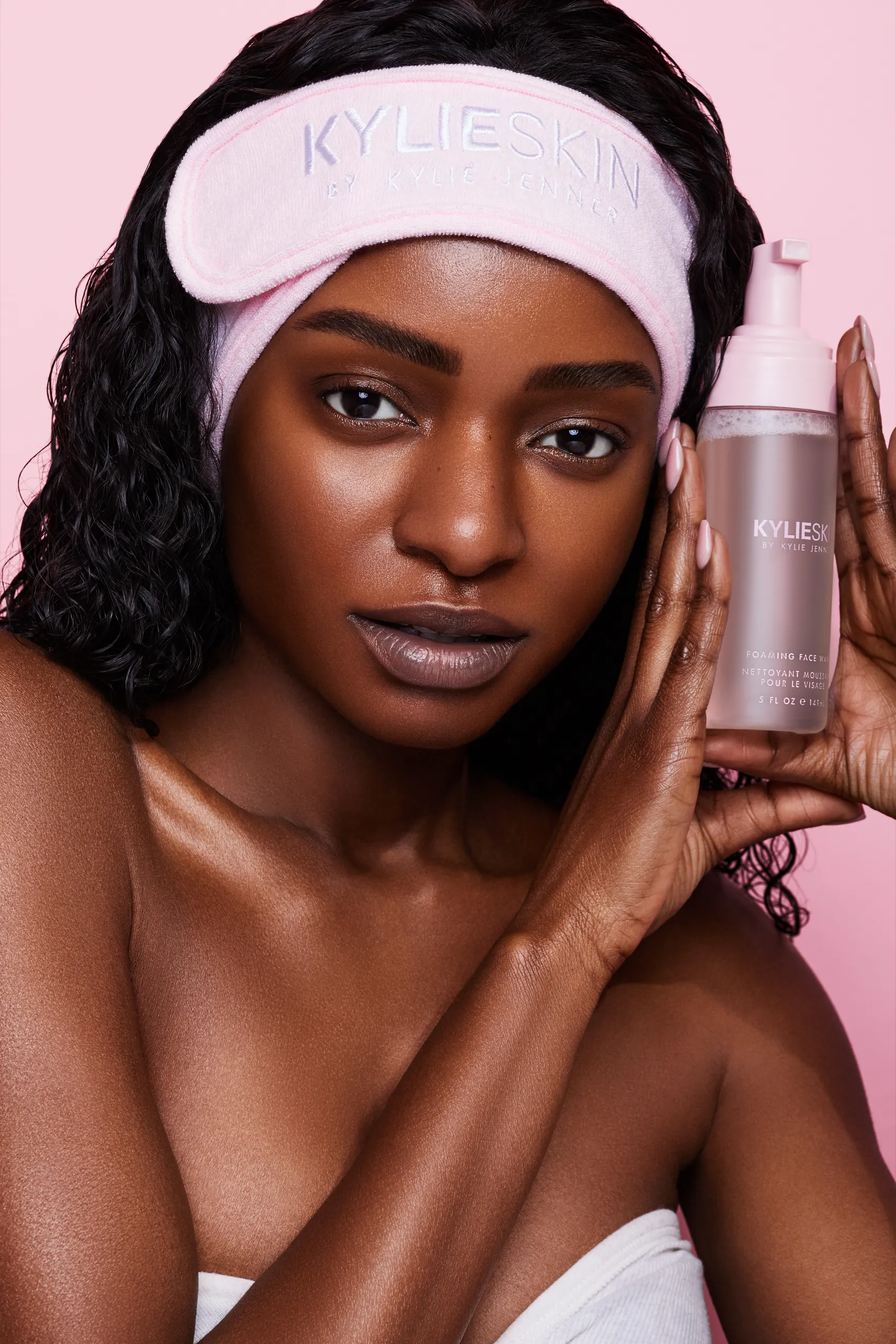
From Fitzpatrick Type I (porcelain) to Type VI (deep rich melanin), we celebrate authentic tonal depth. High-end retouching never bleaches or ashen deep skin tones, preserving rich chocolate, bronze, and golden undertones with luminous highlights.

Ready for Uncompromising Editorial Quality?
Hand retouching with real skin texture and revisions included. Starting at $40 or $50 per photo, with commercial and jewelry projects quoted within 12 hours.