The short answer
Pixelz is a production platform for large volumes of e-commerce product images. A boutique retouching studio is a better fit when the image carries the campaign: beauty, portrait, fashion, jewelry and hero images, where one person should see the whole picture. If you ship thousands of simple packshots, a platform is built for you. If you ship fewer, more important images, read on.
This guide is not a takedown. Pixelz does one job well. The point is to match the model to the work.
How the two models differ
The table summarizes what Pixelz publishes on its own pricing, FAQ and terms pages (checked in November 2026). Check their current pages before you decide, because platforms change terms.
| Topic | Pixelz (as published) | LightHouse Retouch |
|---|---|---|
| What it is for | Online product images for e-commerce; its FAQ says it does not edit portraits | Beauty, portrait, fashion, commercial, jewelry and family retouching |
| Workflow | A specialist-assisted pipeline: each image is split into steps with automation and several operators | One senior retoucher per client, with a lead retoucher checking the result |
| Pricing model | Subscription plus per-image price (Professional plan: $95 a month and from $0.95 per image) | Price per image from $40+ (fashion, family) and $50+ (beauty, portrait); no subscription |
| Quotes | Plans and published rates | Personal quote within 12 hours for commercial and jewelry |
| Privacy terms | Terms say files are returned through a public web address, grant permission to use your name or logo in marketing, and allow anonymized data to improve its own models | Hand retouching in Photoshop, no automatic AI tools; a signed NDA (+10%) keeps the work out of our portfolio |
| Revisions | Defined by the terms and the specification you give before the work starts | 2 to 3 revision rounds included until you are happy |
Where an assembly line struggles
Splitting one image between several people and tools is efficient for simple products. It gets harder where the look depends on one consistent decision: how light wraps a face, how a hair edge falls, how a metal surface reflects. Those judgments are hard to split into steps.
Pixelz's own published customer stories point the same way. One brand says it still finishes watches and jewelry in-house because of reflections and gradients, and another says some subjective detail is missed and polished internally. That is not a flaw in the platform. It is the limit of the model.
A boutique studio works the other way round: fewer images, one person who understands the look, and time to adjust.
Price: compare the right thing
A $0.95 image and a $40+ image are not the same service, so the per-image price alone tells you little. Compare the cost of one approved image: the base price, subscription fees, rejected rounds, the time you spend writing specifications and fixing misses, and the cost of a hero image that is almost right.
For a catalog of simple packshots, a platform is almost always cheaper. For an image that goes on a billboard, a cover or a flagship page, the cost of a miss is far higher than the retouching fee.
Who should choose what
Choose a platform if you publish large catalogs of simple product images on a tight schedule and consistency matters more than detail.
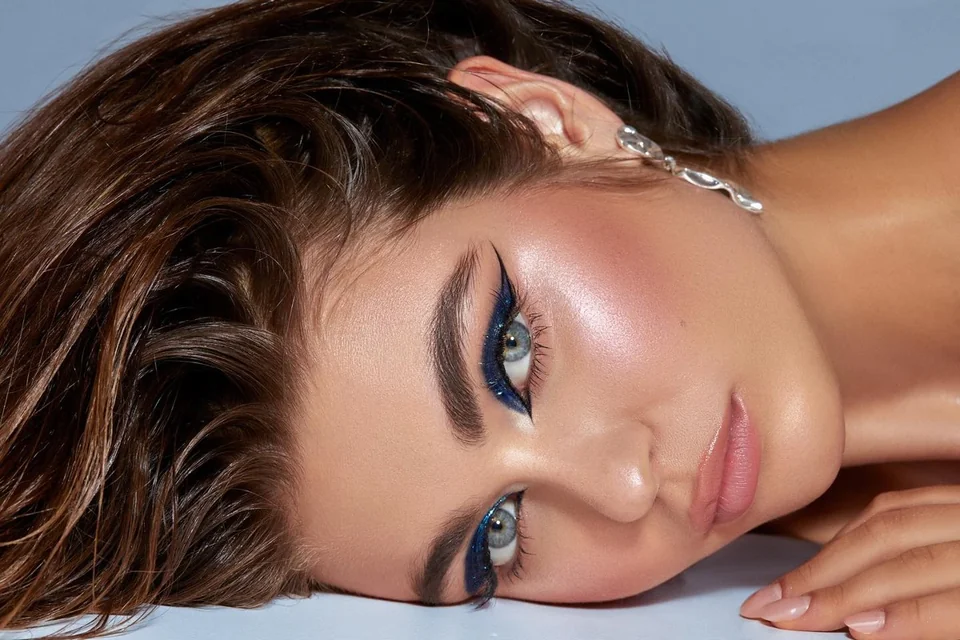
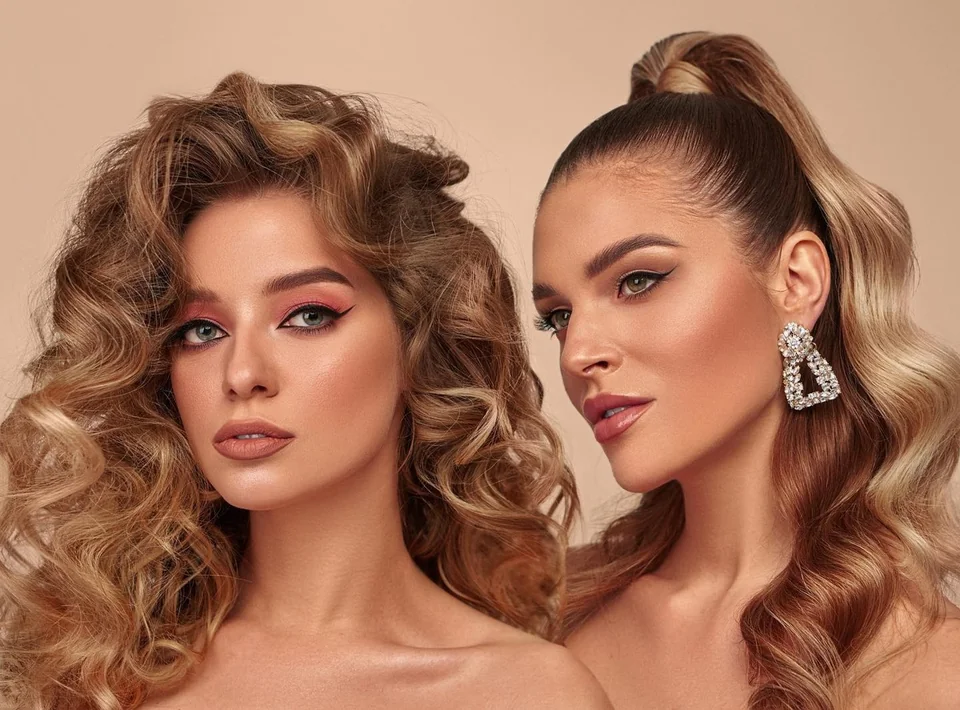
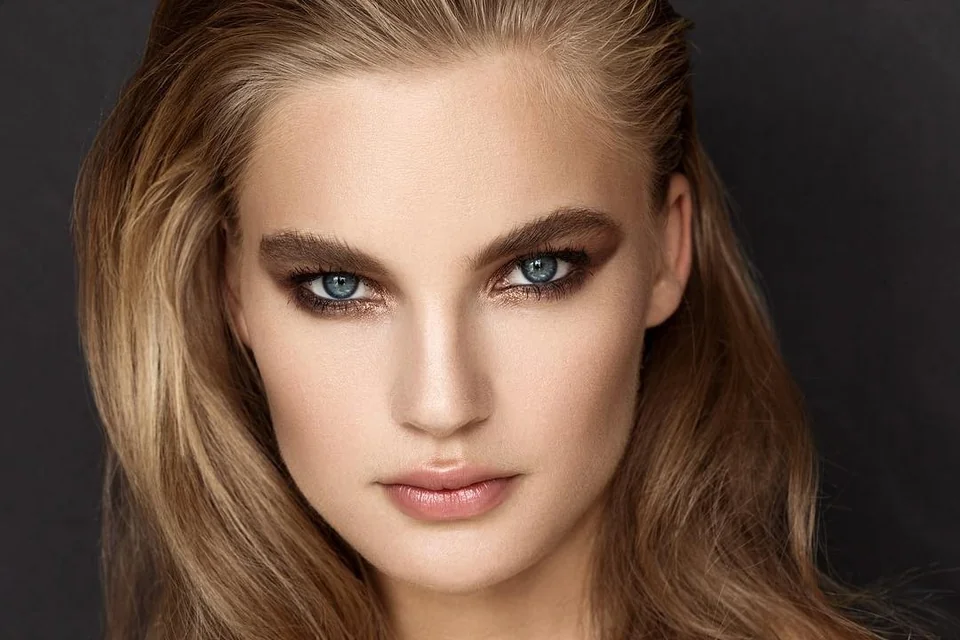
Choose a boutique studio if you shoot beauty, portrait, fashion or jewelry, if skin, hair and reflections decide the result, if you work under embargo or NDA, or if you want one person to know your style across a whole season.
How to test before you commit
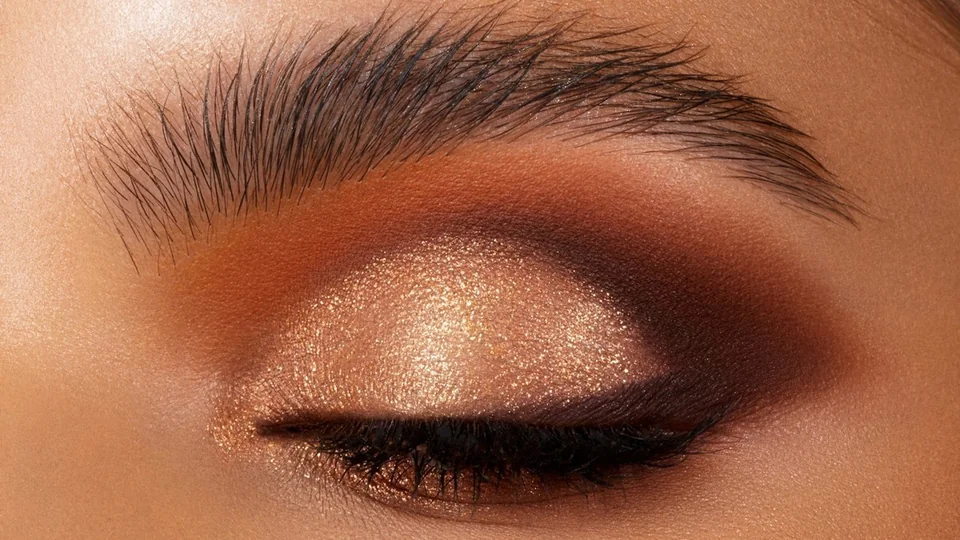
Send the same two or three of your own images to each provider, including one hard image. Compare the results at 100% zoom and in print size. Look at skin texture, hair edges, metal and glass, and check that color matches across the set.
At LightHouse Retouch, the first reply comes within 12 hours with a price and a timeline.

Want to compare on your own images?
Send a few files and a short brief. A senior retoucher reviews them personally and replies with a price and a timeline within 12 hours.