A simple definition
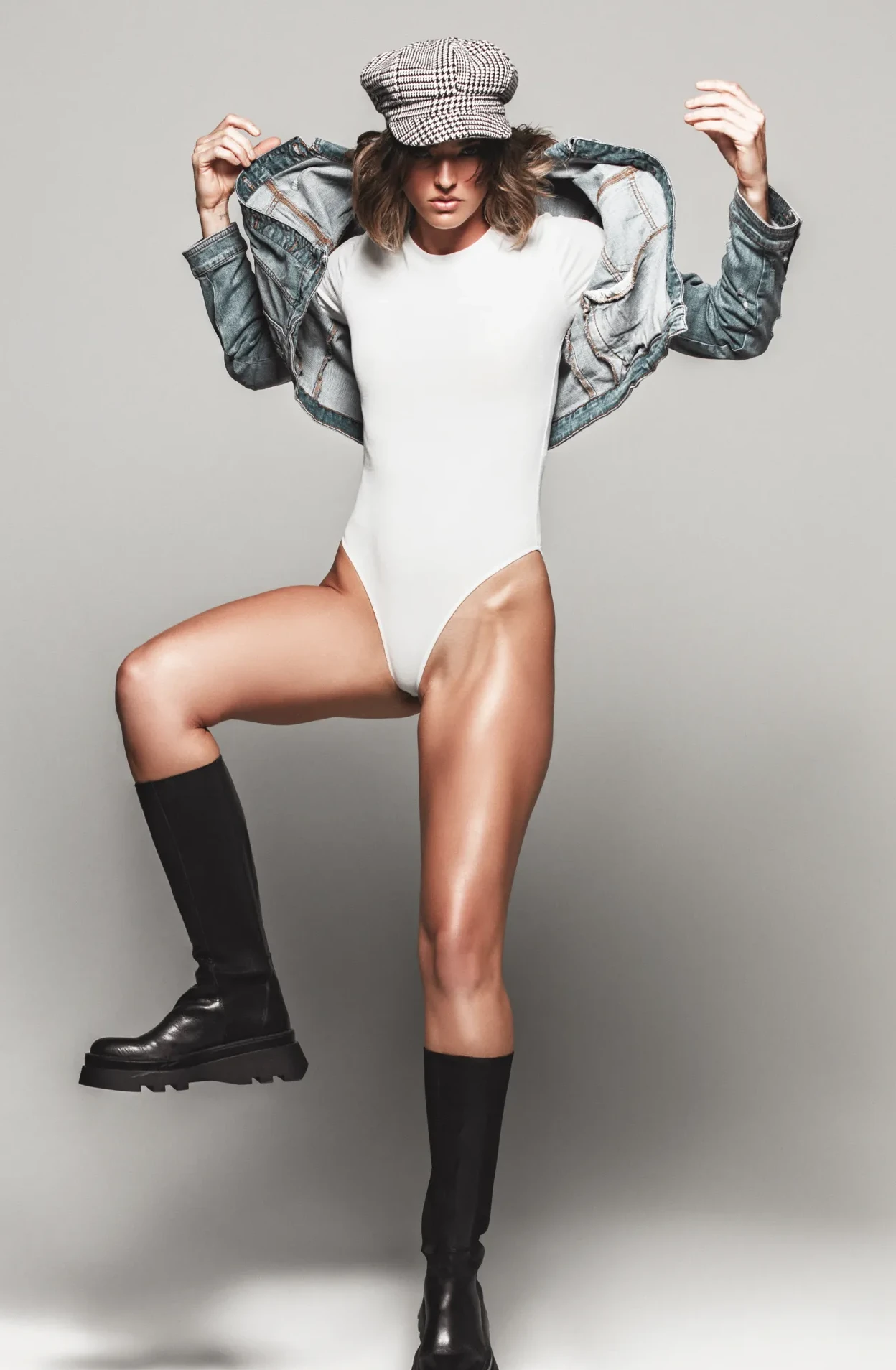
High-end retouching is retouching where the goal is that nobody can tell it was done. The skin still looks like skin, the fabric still looks like fabric and the product still looks like the real product, only cleaner and better lit.
It describes a way of working: slow, by hand, with restraint. It is not the same as a price tag, and it is not the same as heavy editing.
What it includes
On skin, it means fixing blemishes, redness and uneven tone while keeping pores, freckles and natural highlights. The main tool is dodge and burn, which adjusts light and shadow by hand, often with clone and heal tools for spot fixes.
On products, it means removing dust, fingerprints and reflections, keeping logos and small text sharp and matching colors to your references. On apparel, it means smoothing wrinkles without flattening the fabric.
Behind all of it sits color control: working in 16-bit color on a calibrated monitor, so skin tones and brand colors stay accurate from screen to print.
Basic editing, high-end retouching and AI
The three are often mixed up. This is how they usually differ.
| Basic editing | High-end retouching | |
|---|---|---|
| Goal | Make the photo look better quickly | Make the photo look clean while staying real |
| Method | Presets, global adjustments, filters | Local work by hand, pore by pore or detail by detail |
| Time per image | Minutes | Often an hour or more for skin close-ups |
| Skin | Often smoothed | Texture kept, tone evened out |
| Consistency across a series | Varies | Matched color, light and style |
| AI tools | Often central | Not used for skin smoothing or generative edits at LightHouse |
When you actually need it
You need it when the image carries a brand, a client or a campaign: beauty and cosmetics work, executive portraits, fashion lookbooks, product catalogs and jewelry. These are cases where small flaws or an artificial look cost you credibility.
You may not need it for a quick snapshot, an internal document or a casual social post. Being honest about that saves money.
How to recognize it in a portfolio
Zoom in on the skin. You should still see pores and fine detail. Look at the eyes and the hairline for signs of blur. Look at product edges and text. Look at whether a series of images shares the same color and light.
Then ask to see the original next to the result. That comparison tells you what was actually done.

Ready for Uncompromising Editorial Quality?
Hand retouching with real skin texture and revisions included. Starting at $40 or $50 per photo, with commercial and jewelry projects quoted within 12 hours.